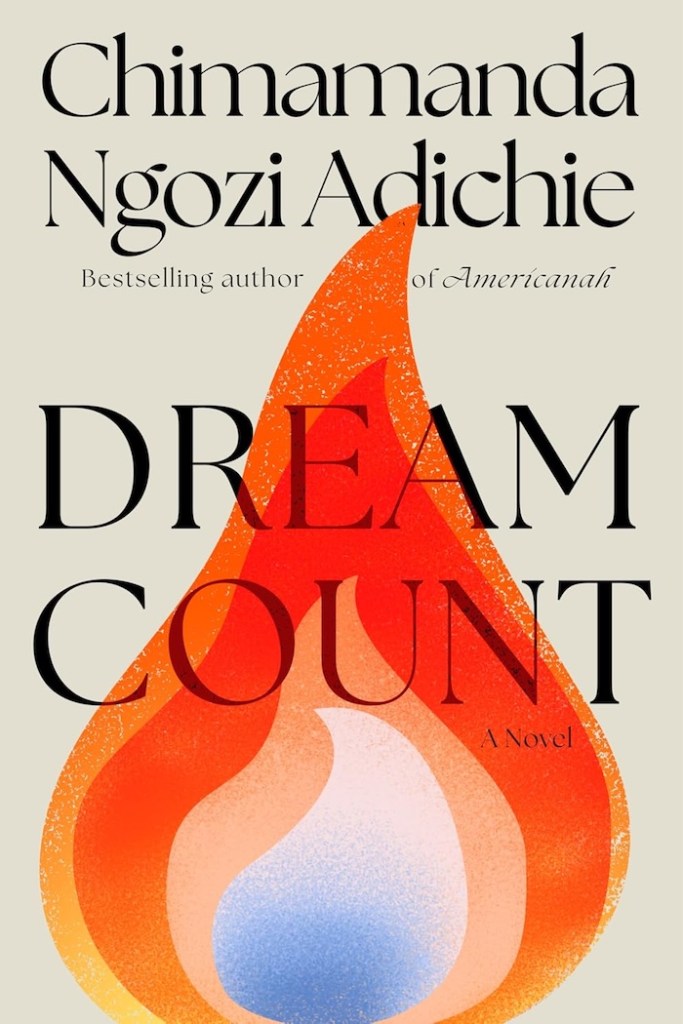
Dream Count by Chimamanda Ngozi Adichie is a literary fiction novel about four women, around middle-aged and with African heritage, and the exploration of their dreams and what it means for them to be successful based on how they perceive life. It’s an expansive book that explores many themes. This is my first book from this author, and I was instantly attracted to her way of writing. To be honest, I’m not even sure how I ended up with this novel. I don’t typically read about romances, which is what I had expected this novel to initially be about, but it’s much, much more than that. Dream Count ended up being much more depressing than I had imagined, and it’s not due to teary breakups or what have you. One of the major themes revolves around what love and happiness actually mean for these four women. Is it even permanently attainable or just something that is experienced momentarily only to be discarded over time? How do these women with distinct personalities view the men in their lives? This ultimately will sound cliché and eyes will roll, but I feel the novel is still worth exploring regardless.
“If you live your life and die without one person fully knowing you, then have you even lived?”
Chiamaka
In Dream Count, we follow Chiamaka, a travel writer; Zikora, a successful lawyer; Kadiatou, a humble maid who only wants what’s best for her daughter; and Omelogor, a successful woman in the financial world in Abuja. Each of the characters is fully voiced and separate in my mind. This shows the powerful writing and story-weaving skills of the author in not making each of her characters sound, think, and act alike. In my opinion, Omelogor’s story was the most interesting of the four, followed by Kadiatou, Chia, and then Zikora. With Omelogor, she is definitely the most complex character out of the bunch. Her story seems to be the longest in the book; however, there were definitely some parts that were a bit too long. I’m not sure why her story wasn’t broken up into two parts, like Chia’s. Kadi’s story was definitely the saddest. I found myself oddly not shocked that her story was actually based on a real event. Chia’s story has her mostly reminiscing about her past relationships. I think her story, along with her character being mildly infuriating, is partly because of how relatable it is for many. She’s the typical case of trying to find true, everlasting love, but it always seems to evade her. Zikora’s part I found a bit forgettable, but nonetheless sad.
“Loving women doesn’t mean knowing women.”
Omelogor
Don’t be disheartened. Dream Count, while mostly depressing, has its brighter moments if you know where and how to look for them. This goes for both male and female readers of the novel. I also found how relatable their family culture can be when compared to other minorities. Omelogor’s blog entries dedicated to men I found strangely hilarious and definitely liven up the mood. I don’t regret reading Dream Count even though the novel may not have been aimed at readers such as myself. At the very least, it introduced me to a very talented author.


 The Mindless Catalog
Leave a comment