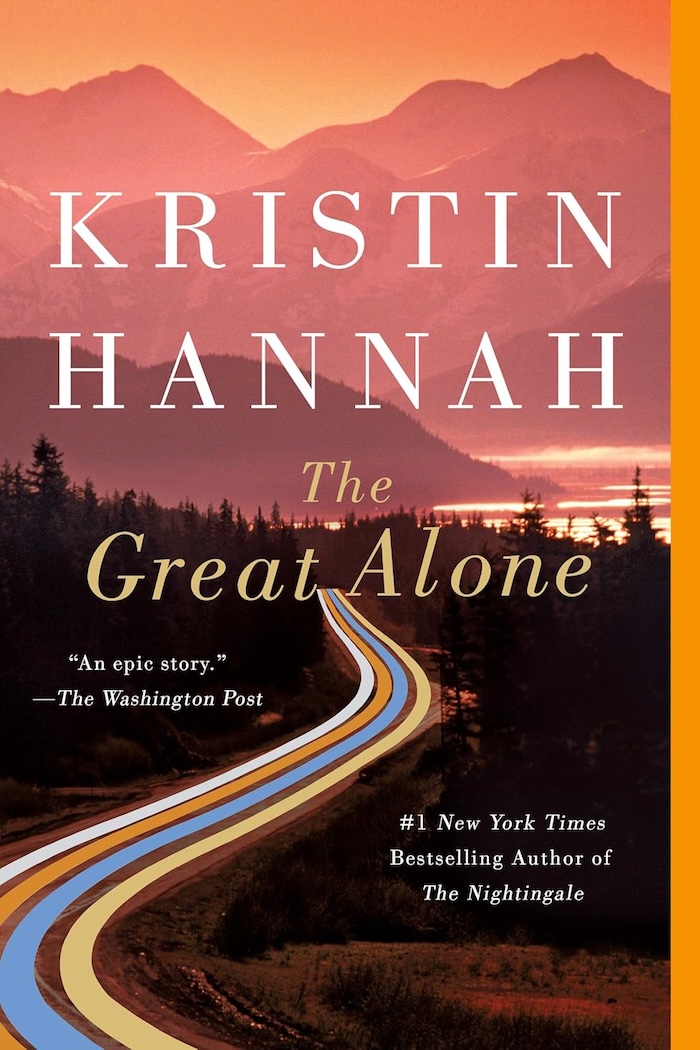
A while ago, I had tried to read The Women, also by the same author, but I had to drop it at just around the 15%-20% mark. There was just something that bugged me. This turned out to be the flat and uninspiring writing. It just felt like a chore to read, and I was only at the beginning! The Great Alone by Kristin Hannah is a novel published before The Women, and so I thought to give her another shot. Maybe something happened between those years, and her previous works were written differently? Well, it turns out it is exactly the same and nothing has changed. At around 61% in (around the 300-page mark, chapter 20), I had to tap out. Although there were many books I didn’t finish, many of them I had quit way before the 50% mark, and I felt like those I just left alone instead of shelving them in my DNF category. The Great Alone, however, is one such book that I spent too much time on to let that happen.
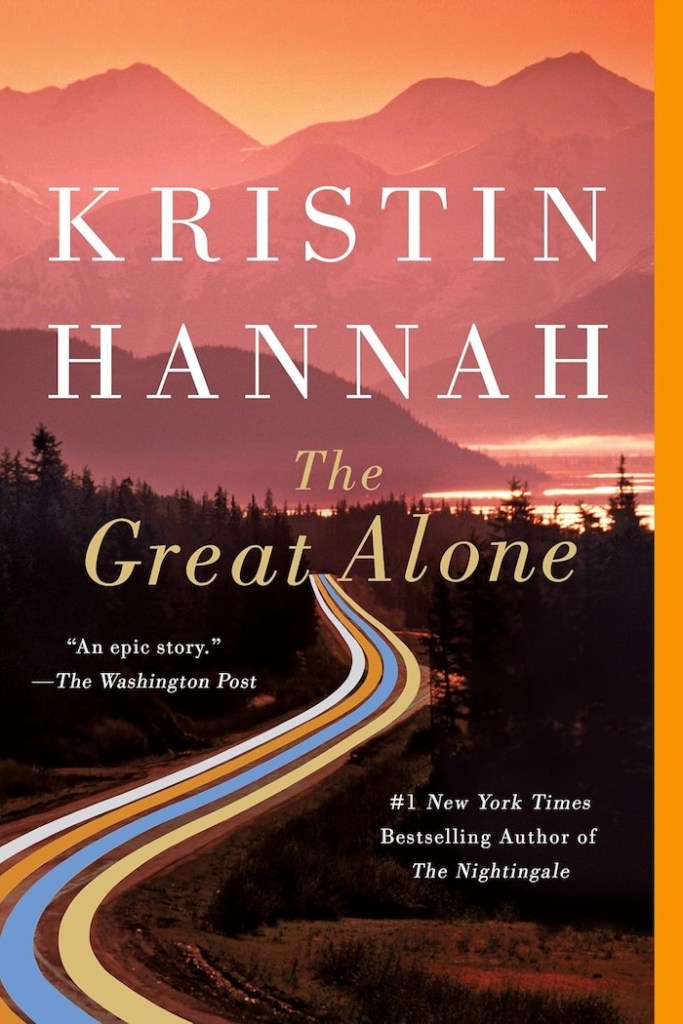
Truly, the biggest issue I have with the author is her writing. It is completely uninspired and, for lack of a more complex term, flat. Yes, her writing can tell a cohesive story; things happen, and everything is in place and doesn’t wander around, but on my word, this type of writing makes it feel like a complete chore to read. Because the writing is flat and uninspired, guess how the dialogue between characters goes? Yes, you guessed right, also flat and boring. There are absolutely no standouts among any of the characters. When reading a literary novel, I, as the reader, want to be taken along on the journey. I want to think alongside the characters as they move through the story and see whether and how they mature or not. There is nothing of that kind here. For example, Leni sounds and acts almost identically when she was thirteen as when the story time jumped to when she turned eighteen.
Fear and shame she understood. Fear made you run and hide and shame made you stay quiet, but this anger wanted something else. Release. – Leni
Domestic abuse is undeniably a frightening and serious issue. Every day, hundreds of thousands of people endure toxic relationships where one day blurs into the next, accompanied by the hope that things will improve. This is precisely the experience Leni and her mother face when they are forced to move to the wilderness of Alaska. Is the story depressing? Yes. Is this issue important to highlight? Absolutely. However, does it make for an enjoyable read? Unfortunately, no—not in the way the author presents it. The pacing is slow, largely due to this approach. Leni is an unusual thirteen-year-old caught between her mother and father’s toxic relationship. Because of her love for her mother, she feels unable to leave on her own. Her mother is depicted as a weak woman (understandably, given the story is set in the 1970s) who endures the beatings because she truly loves her husband and believes there is a better side to him before he went off to fight in the Vietnam War. The narrative cycles through this pattern repeatedly, interspersed with social issues, which dominates about half of the novel. I found myself speed-reading the last 5–10% before reaching the 61% mark, at which point I had to give up. The writing did not improve, and there was nothing compelling enough to make me want to discover how the story ends for Leni and Matthew.
“Tenderfoot. Alaska isn’t about who you were when you headed this way. It’s about who you become.” – Large Marge
At this juncture, I think I will completely drop the author and not pick up any more novels from her. Her writing is just not for me though I am glad it is for the hundreds of thousands of her other readers.

 The Mindless Catalog
Leave a comment