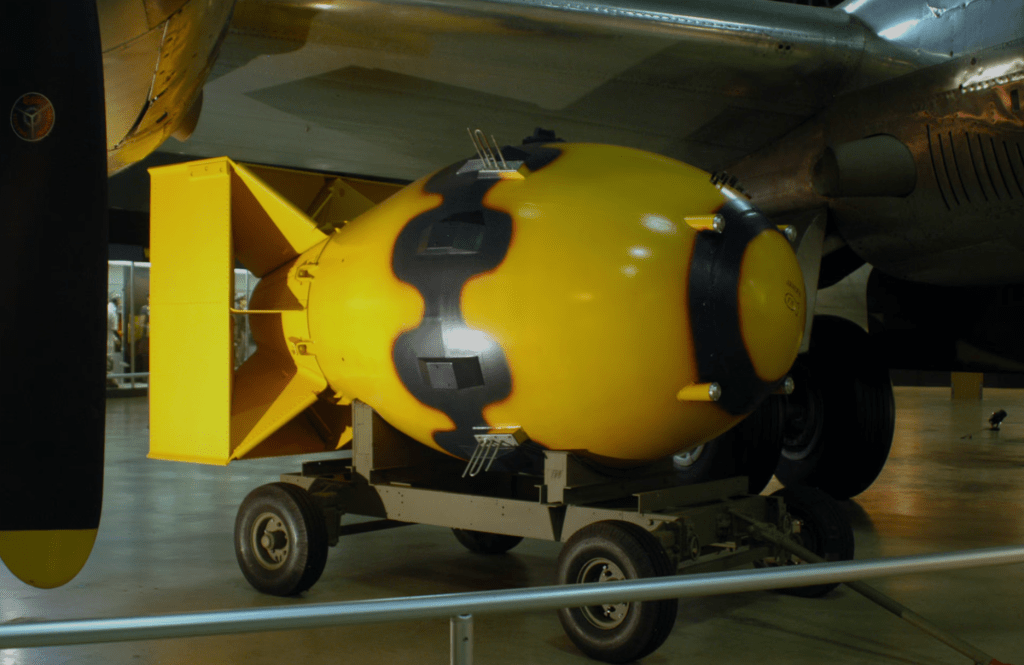
Mention World War 2 along with the United States and many people are bound to immediately conjure up images of the attack on Pearl Harbor by Japan along with the dropping of two atomic bombs, one on Hiroshima and the other on Nagasaki, to force their unconditional surrender and ending the war itself. While many, myself included, initially may have believed that the dropping of the bombs were absolutely critical to ending the war in order to prevent further American soldiers lives from being wasted, Japan was at that point in time already weakened to the point that output of literally all production materials contributing to their war effort along with consumer staples were dangerously low.
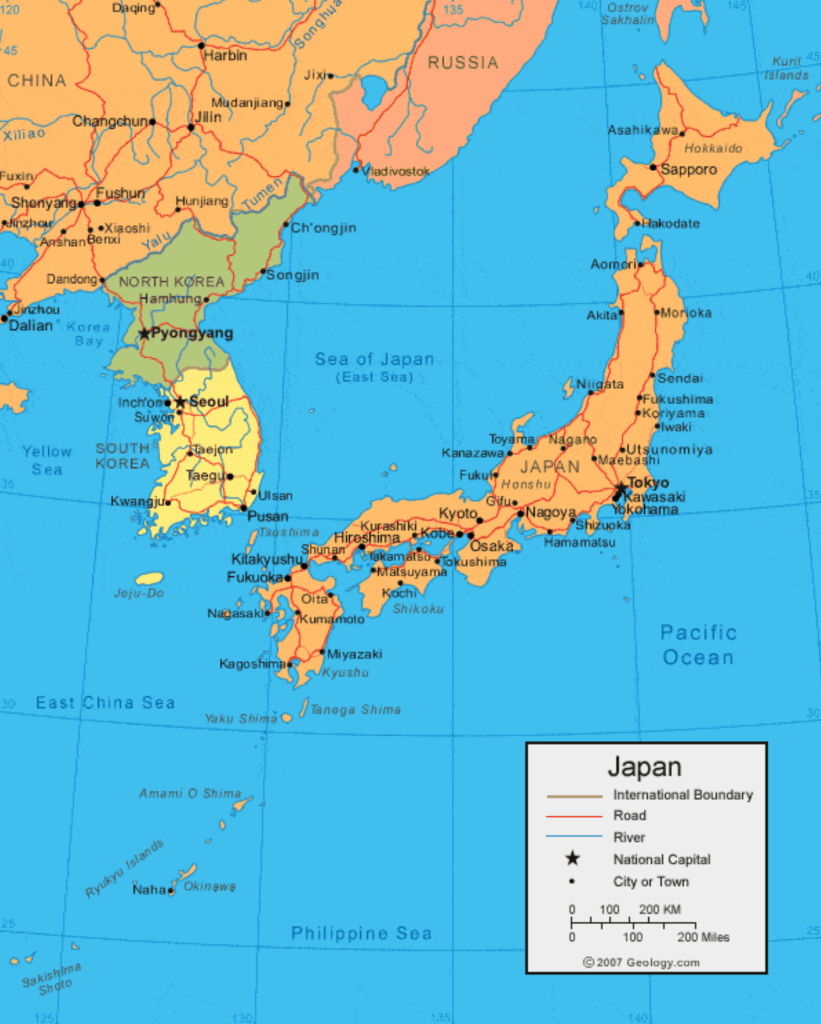
Japan had already been completely isolated. Italy of the Axis power was first to go. Once Hitler’s Germany also lost the war at the hands of the Russians, Japan was literally on its own. There was no one left to come to her rescue. The many islands consisting of Japan, especially after the hard fought and deadly battles of Iwo Jima and Okinawa, were also a lost cause to the Japanese. Their naval power was severely limited after The Battle of Midway, Guadalcanal and Leyte. Their air force was similarly in shambles. Their last ditch effort of deploying suicide bombers highlights how desperate they were getting. In addition, Russia had just committed to invading Japan. For whatever reason, the Japanese military believed that this act by Russia was more worrisome than the atomic bombs itself. They literally believed they could continue to survive multiple atomic bombs as long as the “national essence” was maintained by the people and well as the will to continue fighting till the ultimate end.
The problem is that although the United States, Great Britain, Russia, China and likely anyone following the war could have seen how futile it was for Japan to continue the war including the Japanese emperor and many militarists themselves, the stalling of their surrender along with no direct communications channel to the United States themselves led to the use of the bombs. This begs the question of were the atomic bombs really necessary from the United States point of view in ending the war?
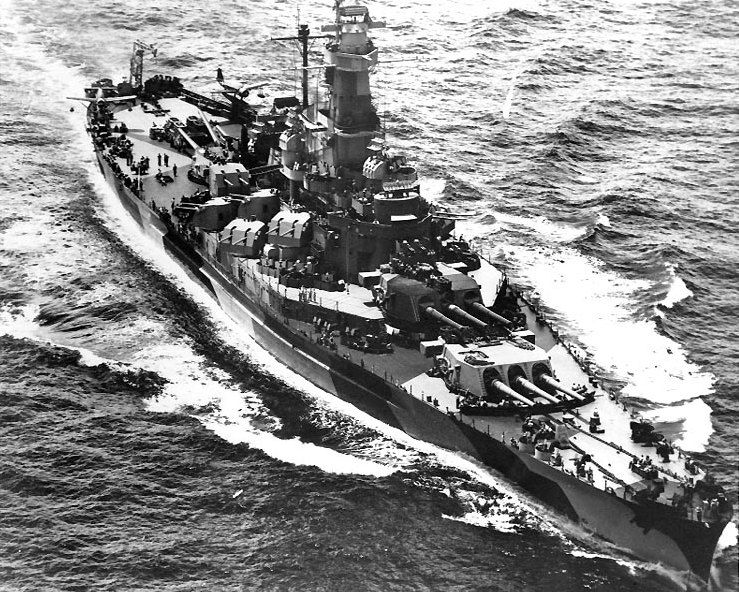
One strategy that could have been tried was the old and battle tested use of a naval siege. Due to Japans weakened power, it might not have been that difficult to surround the Japanese islands to prevent any and all imports going into the country. Japan started the war in the first place was due to how little natural resources the country has. While a siege is never a fun affair for either party, it also prolonged the war until some type of surrender agreement could be accepted by both sides. Until that time, American lives will continue to undoubtedly be lost, but it likely would not have been worse than on the Japanese side. It was a shame that their surrender was actually so close at hand but for some miscommunications. Although millions of Japanese civilians would have perished due to a siege, it would have achieved the goal of limiting the amount of American lives lost.
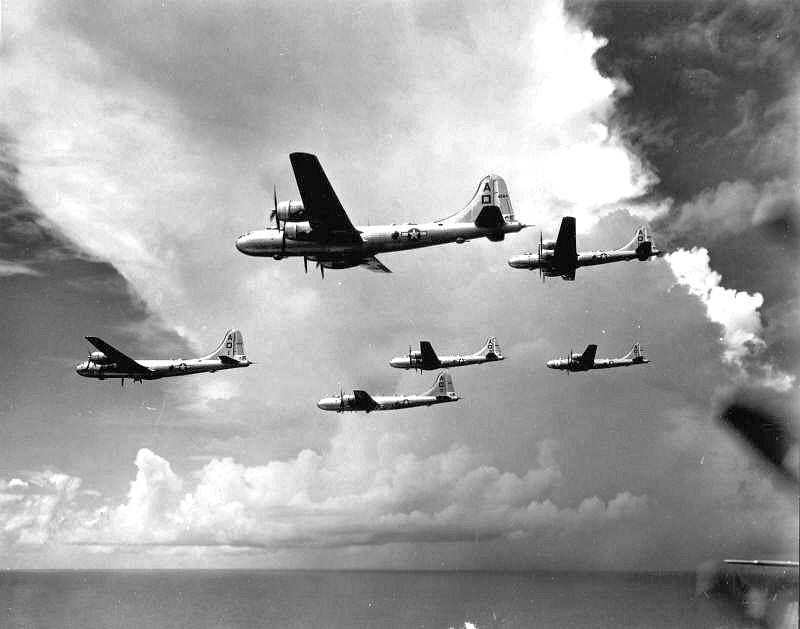
The United States could have also just continued to bomb Japan regularly in all major cities. With their unlimited resources and manpower along with the ability for the bombers to bomb the cities from a safe altitude, one would have to believe that a surrender would eventually be met regardless of how strong their will to fight for some remained. With no resources, millions of civilians made homeless with barely any food to eat along with being told to defend the country from an American invasion with their kitchen knives and bamboo spears, it’s not far fetch to believe that millions of them would have had to revolt at one point or another regardless of how they feel about their emperor. Maybe. The continued bombings might lead to the unfortunate destruction of Emperor Hirohito’s palace and even killing the emperor himself and turning him a into a martyr. A better approach, although maybe wishful thinking, would be for the bombing of select military and naval bases instead of targeting the civilians. Similarly with the siege approach, American soldiers lives, especially bombers due to faulty aircrafts, would have continued to be slowly lost.
While it’s true that President Roosevelt was likely giddy with excitement at the successful testing of the atomic bomb, if his intention was to show the world the power they held via those bombs, might other methods be devised to showcase that power? Maybe a secret gathering of world leaders to show a test detonation at an undisclosed location? Maybe the United States thought the other world powers, especially Russia and Stalin, wouldn’t have believed the US would have the courage to actually drop the bombs and kill hundreds of thousands of civilians? Either way, I loved thinking about this alternate scenario and how it would have changed the course of history, for better or worse.





 The Mindless Catalog
Leave a comment