If there was one defining moment I had to pick that captured the golden days of sports television entertainment, it undoubtedly would have been the rise of WCW and the nWo. You just had to be there and witness it as it unfolded in real time to truly understand and appreciate the genius of it all. NITRO: The Incredible Rise and Inevitable Collapse of Ted Turner’s WCW by Guy Evans is certainly not the first book to cover in incredible detail the rise and fall of this organization, but it certainly is entertaining. It is so entertaining that I completed this monster of a book in less than a week. I simply was not able to put it down. As someone who watched Nitro every Monday after school — having to rush home as soon as the final bell rang (literally running at times) — I don’t think there is a television program or organization since then that I found myself so emotionally attached to. While WWF during the Attitude Era came close, it was WCW’s existence that made it possible. Here, I finally get to learn how everything unfolded during those spectacular times.
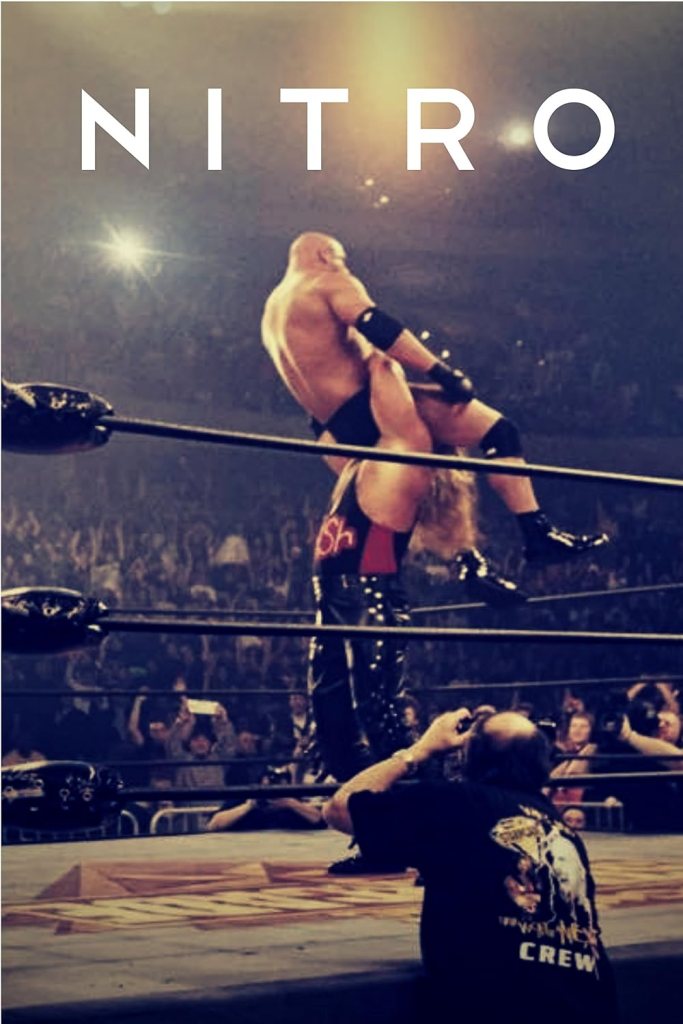
The information in Nitro is presented clearly and chronologically, making it easy to follow and understand for just about anyone. Even for non-wrestling fans, I think this book can certainly still be an enjoyable read. For business-oriented readers, it covers how TBS corporate played a huge role in the downfall of this organization under Ted Turner’s enterprise. It reminds me a bit of reading about the rise and fall of Enron in The Smartest Guys in the Room. While I had little to no knowledge about Enron at the time, reading about their slow demise was absolutely fascinating. With WCW, the way the company was structured meant they had very little going for them in the beginning, until they made a huge turnaround once they hired Eric Bischoff. However, that same structure also played a big role in limiting what they were able to do to compete with Vince McMahon’s WWF in the later years before ultimately collapsing.
“Lightning…you can’t catch it in a bottle but one time.”
Kevin Sullivan
There are a lot of personal interviews conducted for this book and I think the author did a pretty good job at not letting his bias show. This is critical because there is a lot of he said/she said type of stuff here and it’s up to the readers to decipher things. The good news is that YouTube is littered with podcasts of Eric Bischoff, Kevin Nash, and a bunch of other stars who are still talking about this era today. Even after its collapse, this story in wrestling history and lore is still entertaining enough for them and the fans to talk about after two and a half decades. Some might also argue that these has-beens need to move on and get on with their lives, but I slightly digress — mainly because nothing similar has come along since then to remotely resemble this era of thrilling chaos during the “ratings war”. The story told here could only have happened during those special times, and with WWE now having a monopoly in the business, it seems unlikely we’ll get anything that extraordinary again, for better or worse.
“Nobody could look back at that time…the energy that we created…the numbers and the audience that followed us…I’m largely responsible for that. Going back to sitting in a room by myself with a notepad trying to figure out how I could be different than my competition, because I knew I couldn’t be better than my competition.
Eric Bischoff
So what do I personally think after having read Nitro? I genuinely believe Eric Bischoff’s statement at the very end of the book, where he talks about what he could have done or looked at differently if he could go back and do it all over again. I really believe him when he admits that things aren’t what they seem in the corporate world, or when he acknowledges that he wouldn’t take things at face value if he had to go back. Eric is like the kid who initially worked at a mom-and-pop level before landing a job in a real corporate environment with thousands of workers and dozens of executives. But of course, Eric is not entirely without blame. The way he structured some of the top wrestlers’ contracts, along with his inability to see the long game and his singular focus on each week’s ratings against WWF, was a huge blow. In addition, he tends to contradict himself at times by first saying that he had no vendetta against Vince McMahon only to say and hint later that he will not rest until he drove a stake through his heart. It was near 100% impossible to not let emotions dictate your actions during those times. Other factors — such as not being able to attract advertisers and how disorganized WCW was generally run — all had to be taken into account. Whatever the case, Nitro is a must-read for anyone wanting to learn about this spectacular chapter in wrestling history. Being able to pull up YouTube and watch the matches discussed in the book, while learning the background and how it all came to be, was so much fun. It’s also sobering to reflect on what could have been if things had turned out differently, for better or worse.
How it really works is that all those entrepreneurs in Turner were now going to start wearing wingtip shoes, and dark blue suits, and white shirts, and red ties – to be just like their Time Warner counterparts. It wasn’t the merging of the entrepreneurial spirit of Turner into Time Warner, it was the corporate environment of Time Warner overwhelming and killing the entrepreneurial spirit that Ted Turner built his company on.”
Eric Bischoff

 The Mindless Catalog
Leave a comment