I’ve always had a fascination with processed food. I think many people believe it’s bad for your health but may not actually know why that is, myself included. This book on ultra-processed food can help bridge that gap, but don’t expect it to be easy reading. Science can be hard to understand, and I believe that’s part of the reason corporations want to keep the masses ignorant and as uninformed as possible. You really are what you eat, and having spent a couple of years heavily overweight myself, I know from firsthand experience how simply eating healthy food and cutting out junk and sweets saved my life. That’s right—barely any exercise was required because I’m not an exercise kind of guy. Having cut out ultra-processed food since then, I’m still curious about what someone much smarter than me has to say about it.
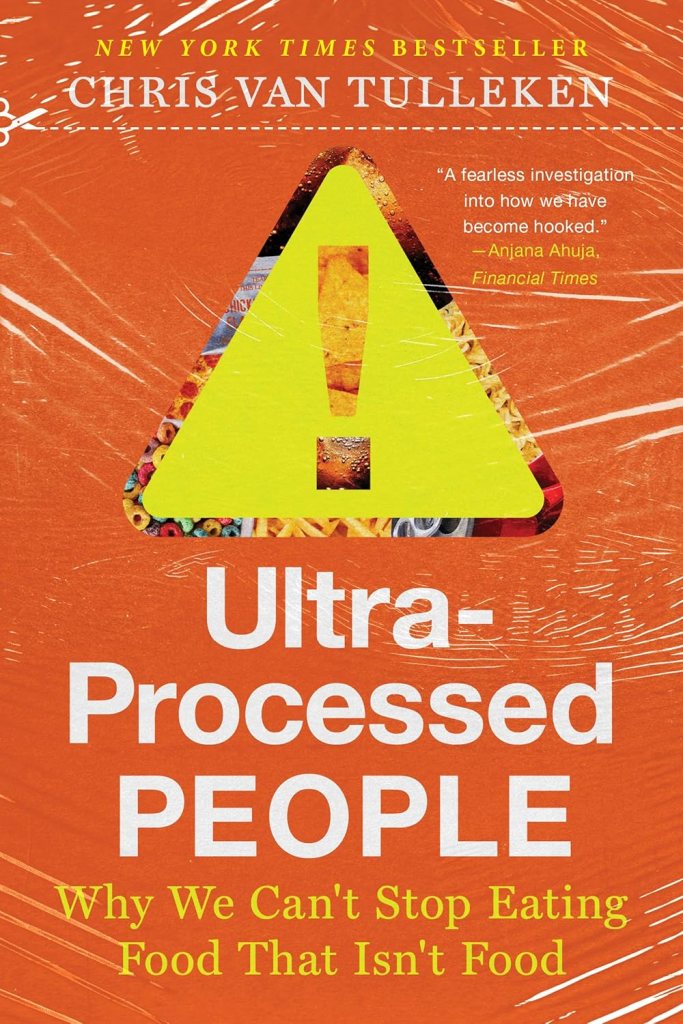
While the author doesn’t really care about how or what you choose to eat and that his book is not about converting you to trying a different diet, it’s obvious that if you’re picking up this book to read, you likely have some idea of why ultra processed food is bad and that it may not be something you’ll want to continue for long. The important part is that readers get the information they require to make their own informed choices. As expected, there will be a lot of research papers and studies cited to back up the author’s claims. Some of these parts may be difficult to follow along with.
The difference between people with the same genes and differing weights is the environment they live in, not their willpower.
Author
The author highlights many instances in which studies were conducted by researchers or scientists who are actually working for the food industry itself and who rely on ultra-processed ingredients. There are so many conflicts of interest, and they seem to be getting away with it. While money and corporate greed play a large role in the continued use of these ultra-processed ingredients, it’s shown that marketing and advertising play just as large a role. Living in poverty also highlights how unfair the system is. I used to wonder why people living in poverty, or with little money to spend on food, were able to become obese. It is explained as part of a vicious cycle in which ultra-processed foods are the only items poor families can afford due to their low cost. Ultra-processed food is bad for your health. These same foods can be addictive, which leads to poor people eating more and more of them. The cycle continues until it is too late for a person to wean themselves off it before the damage has already been done.
By buying UPF, we’re continuously driving its evolution. We take the risk in this experiment while the benefits are handed to the owners of the companies producing UPF and the results are largely concealed from us–apart from the effects on our health.
Author
This book is interesting for many reasons for those wishing to understand how our food has progressed over the decades. While there’s still a lot of work to be done to learn about the long-term effects of consuming ultra-processed food, it’s not looking good. Corporations are in charge of basically everything, and you can bet that they will do whatever is necessary to continue squeezing every single ultra-processed ingredient they can into a product if it helps provide shareholder value. While it’s extremely difficult to 100% eliminate ultra-processed foods from our diet, every little bit helps.




Leave a Reply